
Introduction
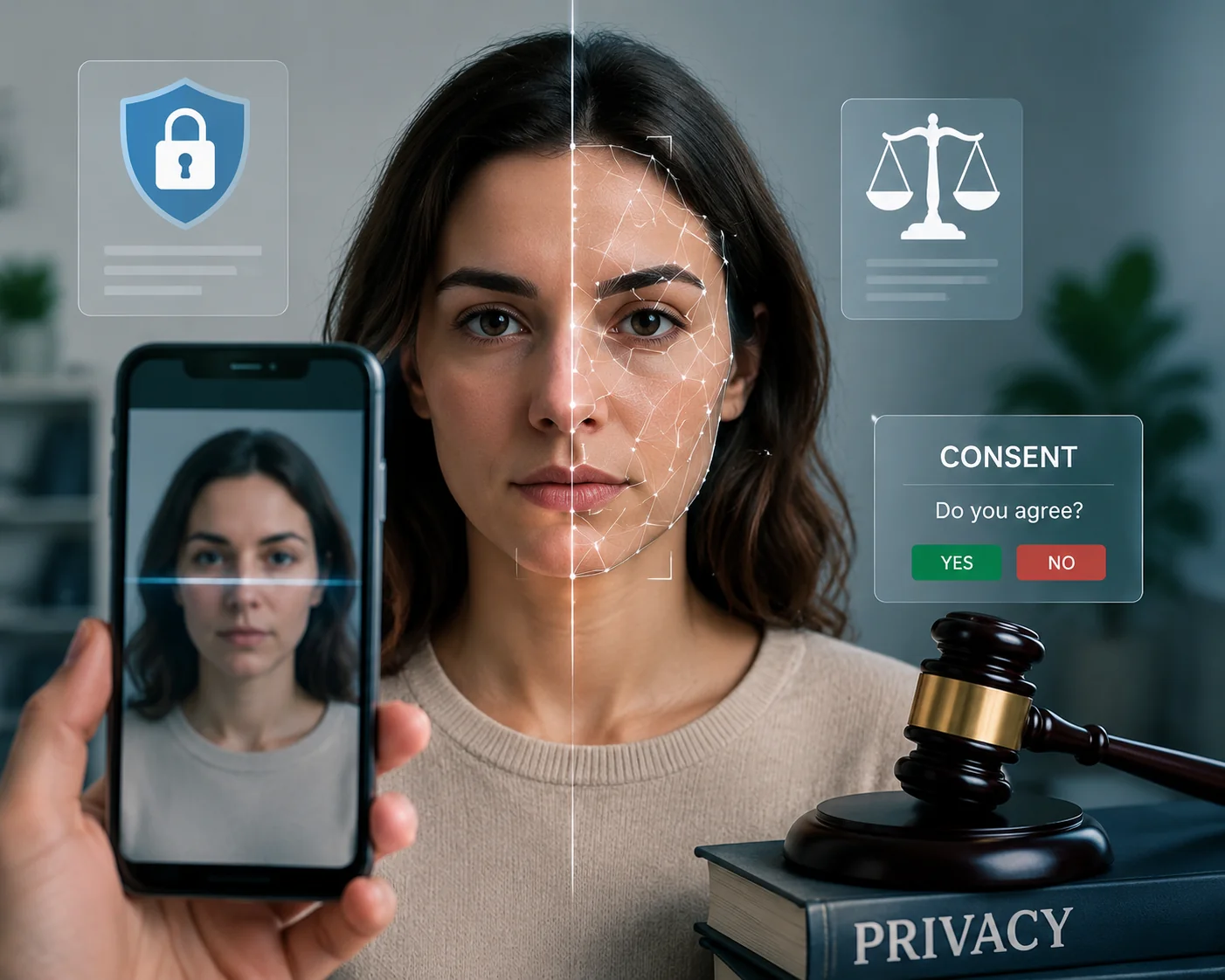
If you are asking whether is face swap legal, the honest answer is: it depends entirely on where you are and what you do with the result. There is no single global rule. The same swapped clip can be perfectly fine in one country and grounds for a lawsuit in another.
This guide treats the question as a map, not a verdict. We lay the major jurisdictions side by side, so creators and small brands can scan for their own situation fast.
You will find clear rows for the United States, European Union, United Kingdom, and Asia-Pacific, plus a comparison matrix covering personal use, commercial ads, public-figure satire, and non-consensual content. We close with a practical decision guide for global audiences and consent-first swaps using AI Video Face Swap Online.
Key Takeaways
The answer to whether is face swap legal depends almost entirely on where you are and what you do with the result. The same clip can be harmless in one country and actionable in another.
In short: personal and entertainment swaps of your own footage carry low risk in most regions. Commercial or advertising use usually needs the depicted person's consent. Using a real individual's likeness without permission, especially for non-consensual intimate content, is illegal in a growing number of jurisdictions.
The safest rule for a global audience is consent-first: get clear permission, label synthetic media where required, and pick the strictest standard that applies. If you experiment with stylized clips, tools like the photo animation tool or still-photo face swap tool still call for the same consent checks.
Main Concept Explained
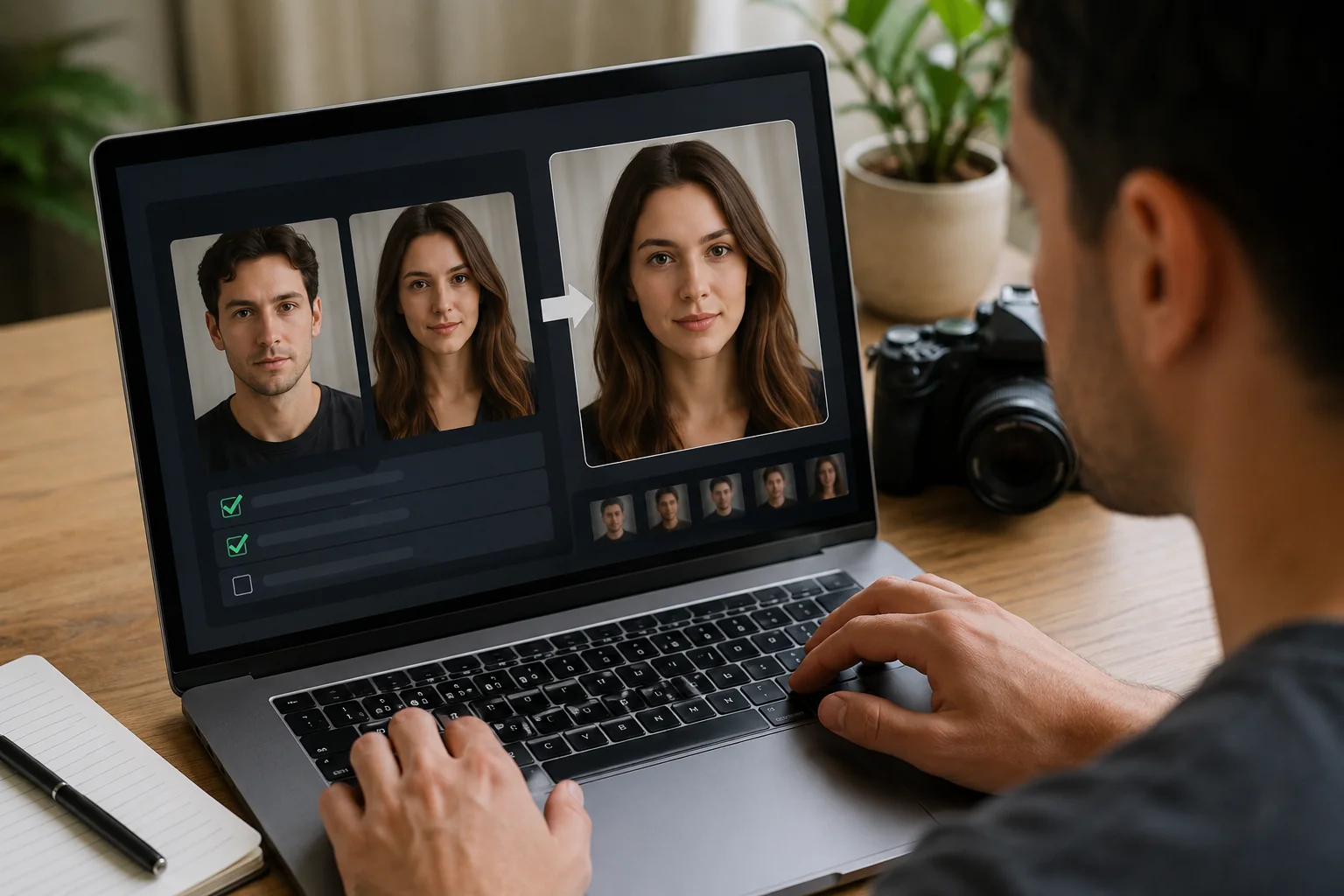
When people ask is face swap legal, they are usually asking three separate questions at once: Is the tool legal to use? Is making the clip legal? And is publishing or profiting from it legal? Those answers can diverge sharply, even for the same video.
The technology itself is neutral. Swapping a face onto a video frame is no more illegal than editing a photo. What triggers legal exposure is whose face you use, whether they agreed, and what you do with the result.
Consent is the hinge. A swap built from your own face, a willing friend's face, or a properly licensed actor sits in very different territory than one built from a stranger's selfie or a celebrity headshot scraped without permission. The image source matters as much as the output.
Purpose then layers on top. A private joke shared with two people, a paid advertisement, political satire, and intimate content each carry distinct risk profiles, because different bodies of law govern publicity rights, advertising standards, defamation, and image-based abuse.
Location decides which of those laws actually applies. A clip that is harmless under one country's rules can be actionable under another's data-protection or deepfake statutes the moment it crosses a border or reaches viewers abroad. That is why a single global yes or no cannot exist.
So the practical concept is a checklist, not a verdict: source the face with consent, define your purpose honestly, and identify every jurisdiction your audience sits in. If you are new to the mechanics, our AI face swap guide walks through how the swap is produced before you weigh the legal side.
The rest of this article maps the major regions side by side so you can find your own situation fast. If you simply want to experiment safely with faces you control, a consent-first tool like still-photo face swap tool keeps the source material in your own hands.
How to Apply It
Knowing the law in the abstract helps little until you map it onto a real project. The practical question isn't only "is face swap legal" in your country, but whether your specific clip clears every place it will actually be seen.
Start by writing down three facts about your project: whose face you are using, where your audience lives, and why you are publishing. A birthday parody shared with friends sits in a very different risk tier than a paid ad running across the EU and UK.
Next, secure consent before you touch any editing tool. Get written permission from the person whose face appears, ideally noting the platforms and the time window. Keep that record; under GDPR and similar rules, documented consent is often the difference between a routine post and a complaint.
Then pick the strictest standard that touches your audience. If even one viewer sits in a region with mandatory synthetic-media labeling, label the clip there too. A single visible "AI-generated" note rarely hurts reach and removes a common legal trigger.
When you move to production, choose a workflow that keeps consent attached to the output. Uploading a permitted source photo and your own footage to a consent-first tool like iMideo's AI Video Face Swap keeps the swap tied to material you can actually account for, rather than scraped or borrowed faces.
Avoid four categories almost everywhere: non-consensual intimate content, impersonation for fraud, unlabeled political deepfakes, and commercial use of a public figure's likeness without a license. These cross from civil risk into criminal exposure in a growing number of states and countries.
Finally, build a short pre-publish checklist: consent on file, audience regions noted, label applied where required, and no prohibited category. Run every clip through it the same way each time.
If you want the broader workflow context, our AI face swap guide walks through setup end to end, and the Reface vs Faceapp vs iMideo: Face Swap Comparison 2026 shows how different tools handle consent and output controls.
AI Video Face Swap Online
Upload a face photo and MP4 or MOV video to replace faces online with frame-by-frame tracking, adaptive blending, and 720p MP4 output.
Free to start • No credit card required • Professional quality

Common Pitfalls
The most common mistake is assuming "is face swap legal" has one answer for your whole audience. A clip that's fine for friends at home can trigger right-of-publicity or data-protection claims the moment it crosses a border or earns money.
Another trap is treating verbal permission as enough. Consent should be written, specific about commercial use, and revocable. Vague approvals fall apart fast when a video gets reposted or monetized.
People also confuse "public figure" with "fair game." Satire protections are narrow, vary by region, and rarely cover ads or anything that implies endorsement. And non-consensual intimate content is criminal in a growing list of places, full stop.
Finally, many creators skip disclosure. Several jurisdictions now require visible synthetic-media labels, so omitting one can break the law even when the swap itself was permitted. If you're weighing tools and their consent workflows, compare them in our Reface vs Faceapp vs iMideo: Face Swap Comparison 2026.
Real-World Examples
Concrete cases show how location changes the answer. A creator in the US posting a satirical swap of a politician onto a movie scene usually leans on parody and First Amendment protection, though right-of-publicity claims can still surface if the clip looks like an endorsement.
Compare that with the EU, where the same face is biometric data under GDPR. A German brand that swapped a customer's face into an ad without written consent faced a complaint precisely because no lawful basis existed, not because the edit looked fake.
In the UK, a non-consensual intimate swap is now a clear offence under the Online Safety Act, regardless of artistic intent. South Korea and China go further, requiring visible synthetic-content labels, so an unlabelled commercial swap risks penalties on disclosure grounds alone.
The pattern is consistent: consent and labelling decide outcomes more than the tool used. If you want a side-by-side feature breakdown before deciding which platform fits your workflow, see our Reface vs Faceapp vs iMideo: Face Swap Comparison 2026. The recurring question, is face swap legal, almost always resolves to whether you secured permission first.
Conclusion
So, is face swap legal? The honest verdict is that it depends on where you are and what you do with the result. A personal joke clip carries little risk in most places, while a non-consensual or commercial swap can trigger publicity, data-protection, or intimate-image laws in the US, EU, UK, and across Asia-Pacific.
The practical recommendation is to assume your audience is global and apply the strictest standard you might touch. Get written consent before swapping a real person's face, label synthetic content clearly, and avoid public figures in contexts that imply endorsement or harm.
If you want a consent-first workflow, iMideo's AI Video Face Swap Online lets you upload a face photo and an MP4 or MOV, track frame by frame, and export 720p video you control. When you're choosing a tool, compare your options first in Reface vs Faceapp vs iMideo: Face Swap Comparison 2026 so your privacy and consent habits match the platform you pick.
FAQ
Is it illegal to face swap someone without their permission?
It depends on where you are and what you do with it. Non-consensual intimate swaps are criminal in the UK, parts of the US, and elsewhere. Even non-sexual swaps can trigger defamation or right-of-publicity claims if they harm reputation or imply endorsement.
What is the law on face swap deepfakes in 2026?
There is no single global law. The US relies on a state patchwork, the EU applies GDPR plus AI Act transparency duties, and several Asia-Pacific countries mandate synthetic-content labeling. Your safest move is choosing the strictest standard your audience touches.
Can I face swap a celebrity for a non-profit video?
Non-profit status doesn't grant a free pass. Right-of-publicity and likeness laws still apply, and a recognizable celebrity face can imply endorsement. Clear satire or commentary may be protected in some regions, but unlabeled realistic swaps remain risky regardless of revenue.
Is face swap legal for use in advertising?
Commercial use carries the highest risk. Using anyone's face in an ad almost always requires explicit consent or a signed release, since it implies endorsement. Public figures are especially protected, and many regions also require disclosure that the content is synthetic.
What happens if someone face swaps me without consent?
You may have remedies depending on your location: takedown requests, data-protection complaints, defamation or right-of-publicity claims, and in intimate-image cases, criminal reports. Document the content, preserve evidence, and report it to the hosting platform and relevant authorities promptly.
For a feature-level look at consent controls across tools, see Reface vs Faceapp vs iMideo: Face Swap Comparison 2026.